Volvo 2.4 D DRIVe (175 Hp)
General information
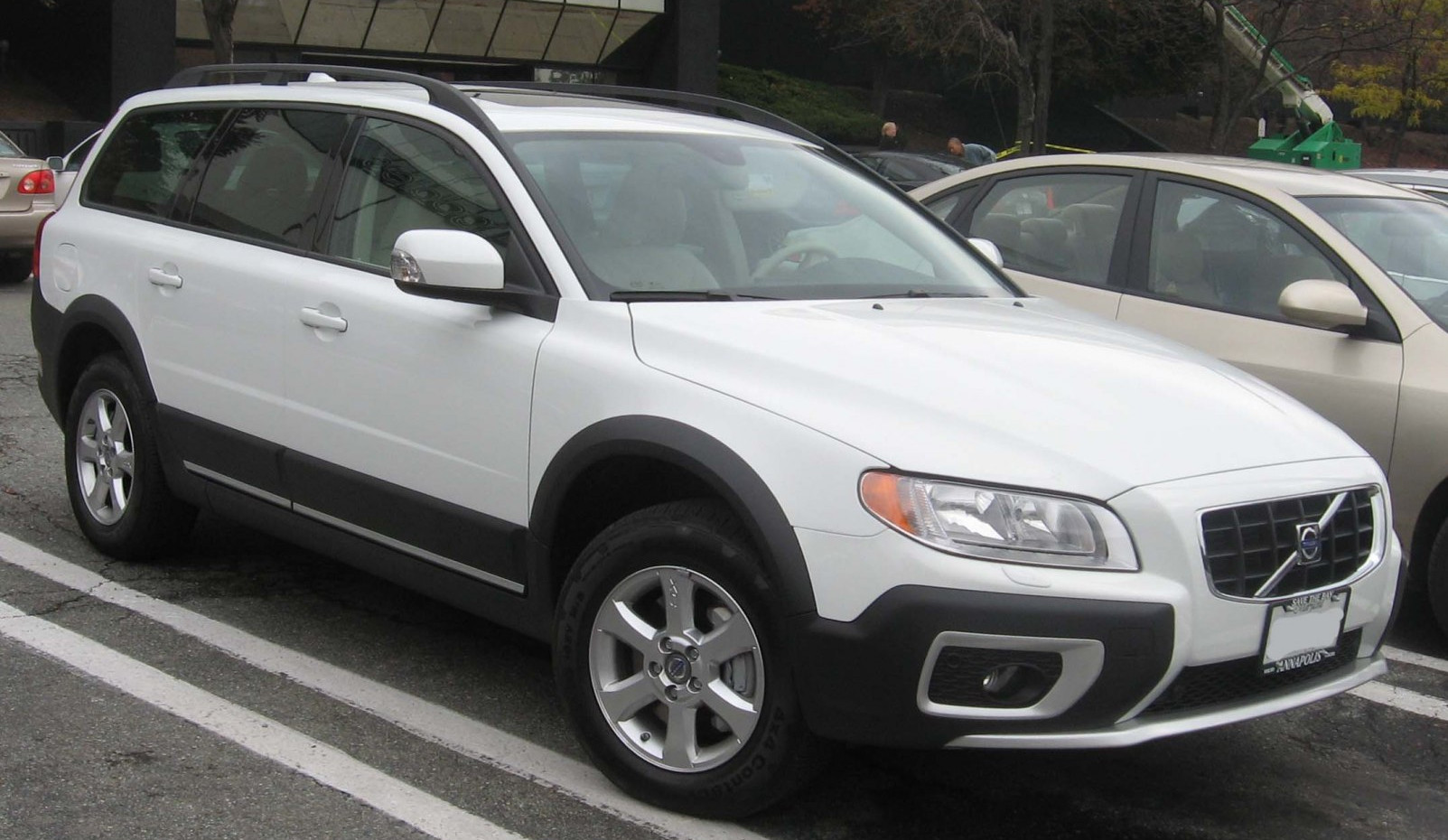
| Power | 163 Hp @ 4000 rpm. |
|---|---|
| Torque | 400 Nm @ 1500-2500 rpm. |
| Acceleration 0 - 100 km/h | 10.4 sec |
| Fuel consumption (economy) - combined | 5.6 l/100 km |
| Brand |
Volvo
|
|---|---|
| Model |
XC70
|
| Generation |
XC70 II
|
| Modification (Engine) |
2.4 D3 (163 Hp) AWD
|
| Start of production |
2010 year
|
| End of production |
2013 year
|
| Powertrain Architecture |
Internal Combustion engine
Powertrain architecture classifies the propulsion technology of the vehicle, such as internal combustion, electric (BEV), or hybrid.
|
| Body type |
Station wagon (estate), Crossover
Body type refers to the structural design and shape of the vehicle (such as Sedan, Hatchback, SUV, or Coupe).
|
| Seats |
5
Seat count specifies the maximum passenger capacity the vehicle is legally approved to transport at once.
|
| Doors |
5
Door count indicates the total number of entry points for passengers and cargo access (e.g., 3-door, 5-door).
|
FAQ
Performance specs
| Fuel consumption (economy) - urban |
6.5 l/100 km
Fuel consumption shows how much fuel the car consumes on average per 100 km. Lower figures represent better fuel economy and lower running costs.
|
|---|---|
| Fuel consumption (economy) - extra urban |
5.1 l/100 km
Fuel consumption shows how much fuel the car consumes on average per 100 km. Lower figures represent better fuel economy and lower running costs.
|
| Fuel consumption (economy) - combined |
5.6 l/100 km
Fuel consumption shows how much fuel the car consumes on average per 100 km. Lower figures represent better fuel economy and lower running costs.
|
| Fuel Type |
Diesel
Fuel type defines the primary source of energy required by the vehicle’s engine (petrol, diesel, electricity, hybrid, LPG, etc.).
|
| Acceleration 0 - 100 km/h |
10.4 sec
The 0-100 km/h sprint time measures how quickly the vehicle accelerates from a standstill. It is a key indicator of raw performance and responsiveness.
|
| Acceleration 0 - 62 mph |
10.4 sec
The 0-100 km/h sprint time measures how quickly the vehicle accelerates from a standstill. It is a key indicator of raw performance and responsiveness.
|
| Acceleration 0 - 60 mph (Calculated by User) |
9.9 sec
|
| Emission standard |
Euro 5
|
| Weight-to-power ratio |
11.1 kg/Hp, 90 Hp/tonne
|
| Weight-to-torque ratio |
4.5 kg/Nm, 220.9 Nm/tonne
|
Engine specs
| Power |
163 Hp @ 4000 rpm.
|
|---|---|
| Power per litre |
67.9 Hp/l
Power per litre (specific power) measures the engine power relative to its displacement. A higher value indicates advanced efficiency and engineering quality.
|
| Torque |
400 Nm @ 1500-2500 rpm.
Torque represents the engine’s rotational force, which determines pulling power. High torque ensures responsive acceleration and stronger uphill performance.
|
| Engine layout |
Front, Transverse
Engine layout defines the position and alignment of the engine block. This layout affects the car’s weight distribution, handling, and interior cabin space.
|
| Engine Model Code |
D5204T3
|
| Engine displacement |
2400 cm3
Engine displacement represents the combined volume of all cylinders. It is a direct indicator of engine size and baseline performance potential.
|
| Number of cylinders |
5
Cylinder count represents the number of combustion chambers. More cylinders generally result in smoother operation and a refined engine note.
|
| Engine configuration |
Inline
|
| Cylinder bore |
81 mm
|
| Piston stroke |
93.15 mm
|
| Fuel injection system |
Diesel Commonrail
|
| Engine aspiration |
Turbocharger, Intercooler
Aspiration describes how the engine draws air into its cylinders, distinguishing naturally aspirated setups from turbochargers or superchargers.
|
| Engine oil capacity |
5.9 l
|
| Coolant |
8.9 l
|
| Engine systems |
Particulate filter
|
Space, Volume and weights
| Kerb Weight |
1811 kg
Curb weight is a key parameter affecting fuel consumption, handling agility, acceleration times, and stopping distances.
|
|---|---|
| Max. weight |
2400 kg
Curb weight is a key parameter affecting fuel consumption, handling agility, acceleration times, and stopping distances.
|
| Max. load |
589 kg
|
| Trunk (boot) space - minimum |
575 l
|
| Fuel tank capacity |
70 l
|
Dimensions
| Length |
4838 mm
|
|---|---|
| Width |
1870 mm
|
| Height |
1604 mm
|
| Wheelbase |
2815 mm
|
| Front track |
1614 mm
|
| Rear / Back Track |
1580 mm
|
| Minimum turning circle (turning diameter) |
12 m
|
Drivetrain, brakes and suspension specs
| Drive wheel |
All wheel drive (4x4)
Drivetrain type specifies which wheels receive power from the engine. This affects road grip, cornering, and stability on slippery surfaces.
|
|---|---|
| Number of gears and type of gearbox |
6 gears, manual transmission
|
| Assisting systems |
ABS (Anti-lock braking system)
|
Common OBD2 Fault Codes
Similar Models



User Reviews
L
Leo 84
8 days ago
★★★★★
Perfect size and choice for our small family. The 163 Hp @ 4000 rpm. hp feels more than enough for daily driving. The exterior design looks sharp and modern in person. Planning to keep it for a long time.
•
L
Leo T.
26 months ago
★★★★★
Finally got the keys today. Engine performance exceeded my expectations. Suspension handles bumps and rough roads very smoothly. I highly recommend it, won't disappoint.
•
N
Noah 77
10 months ago
★★★★★
Ordered it immediately after a quick test drive. The engine is snappy, great response time. Sound insulation is great, very quiet cabin at high speeds. If you're undecided, just go for it.
•
N
Noah 95
5 days ago
★★★★★
Anyone knows the real-world 5.6 l/100 km usage?
•
J
Jack 90
15 months ago
★★★★★
Finally got the keys today. Engine performance exceeded my expectations. The exterior design looks sharp and modern in person. Value for money is unmatched, highly recommended.
•
J
Jacob K.
14 weeks ago
★★★★★
Switched from a different brand. Engine performance exceeded my expectations. Suspension handles bumps and rough roads very smoothly. Worth every single penny spent.
•