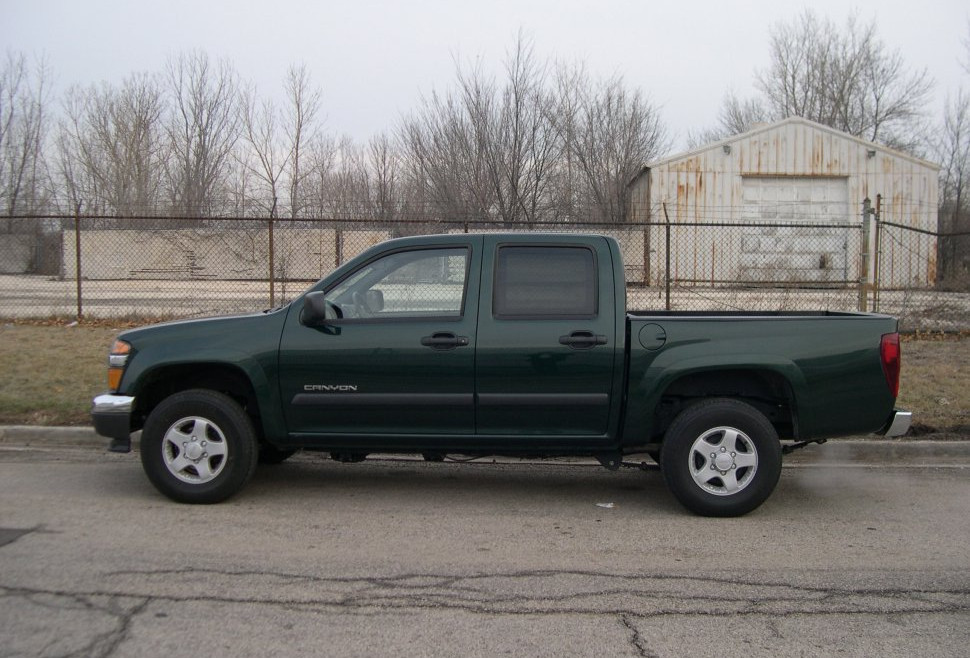
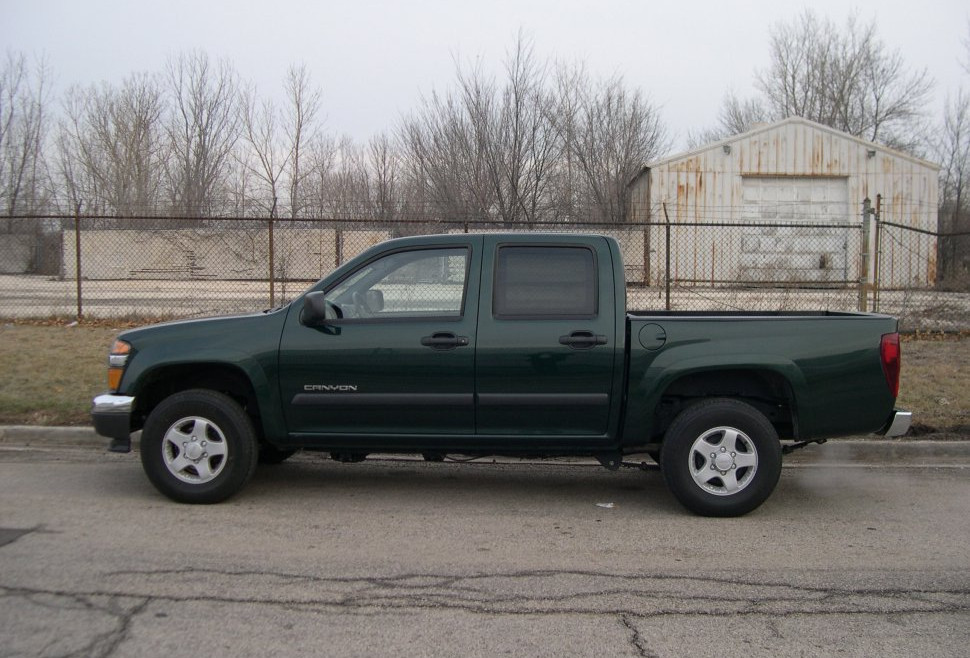
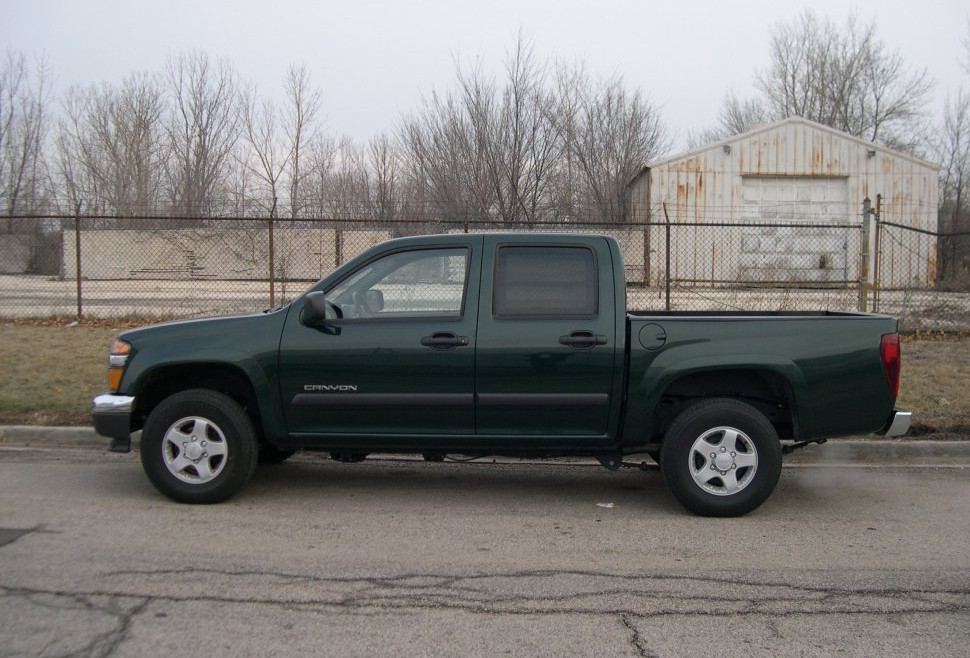
Gmc 3.5 (220 Hp) 4WD Automatic
General information
No photo
| Power | 220 Hp @ 5600 rpm. |
|---|---|
| Torque | 305 Nm @ 2800 rpm. |
| Brand |
GMC
|
|---|---|
| Model |
Canyon
|
| Generation |
Canyon I Extended cab
|
| Modification (Engine) |
3.5 (220 Hp) Automatic
|
| Start of production |
2004 year
|
| End of production |
2006 year
|
| Powertrain Architecture |
Internal Combustion engine
Powertrain architecture classifies the propulsion technology of the vehicle, such as internal combustion, electric (BEV), or hybrid.
|
| Body type |
Pick-up
Body type refers to the structural design and shape of the vehicle (such as Sedan, Hatchback, SUV, or Coupe).
|
| Seats |
4-5
Seat count specifies the maximum passenger capacity the vehicle is legally approved to transport at once.
|
| Doors |
4
Door count indicates the total number of entry points for passengers and cargo access (e.g., 3-door, 5-door).
|
FAQ
Performance specs
| Fuel Type |
Petrol (Gasoline)
Fuel type defines the primary source of energy required by the vehicle’s engine (petrol, diesel, electricity, hybrid, LPG, etc.).
|
|---|---|
| Weight-to-power ratio |
7.6 kg/Hp, 131.2 Hp/tonne
|
| Weight-to-torque ratio |
5.5 kg/Nm, 181.9 Nm/tonne
|
Engine specs
| Power |
220 Hp @ 5600 rpm.
|
|---|---|
| Power per litre |
63.6 Hp/l
Power per litre (specific power) measures the engine power relative to its displacement. A higher value indicates advanced efficiency and engineering quality.
|
| Torque |
305 Nm @ 2800 rpm.
Torque represents the engine’s rotational force, which determines pulling power. High torque ensures responsive acceleration and stronger uphill performance.
|
| Maximum engine speed |
6300 rpm.
|
| Engine layout |
Front, Longitudinal
Engine layout defines the position and alignment of the engine block. This layout affects the car’s weight distribution, handling, and interior cabin space.
|
| Engine Model Code |
L52 Vortec 3500
|
| Engine displacement |
3460 cm3
Engine displacement represents the combined volume of all cylinders. It is a direct indicator of engine size and baseline performance potential.
|
| Number of cylinders |
5
Cylinder count represents the number of combustion chambers. More cylinders generally result in smoother operation and a refined engine note.
|
| Engine configuration |
Inline
|
| Cylinder bore |
93 mm
|
| Piston stroke |
102 mm
|
| Compression ratio |
10:1
|
| Number of valves per cylinder |
4
Valves per cylinder control the airflow into and exhaust out of the engine. More valves improve high-RPM breathing and performance.
|
| Fuel injection system |
Multi-port manifold injection
|
| Engine aspiration |
Naturally aspirated engine
Aspiration describes how the engine draws air into its cylinders, distinguishing naturally aspirated setups from turbochargers or superchargers.
|
| Valvetrain |
DOHC, CVVT
|
| Engine oil capacity |
5.6 l
|
| Coolant |
10 l
|
Space, Volume and weights
| Kerb Weight |
1677 kg
Curb weight is a key parameter affecting fuel consumption, handling agility, acceleration times, and stopping distances.
|
|---|---|
| Max. weight |
2268 kg
Curb weight is a key parameter affecting fuel consumption, handling agility, acceleration times, and stopping distances.
|
| Max. load |
591 kg
|
| Trunk (boot) space - minimum |
1243 l
|
| Fuel tank capacity |
74.2 l
|
Dimensions
| Length |
5260 mm
|
|---|---|
| Width |
1717 mm
|
| Height |
1646 mm
|
| Wheelbase |
3198 mm
|
| Front track |
1460 mm
|
| Rear / Back Track |
1460 mm
|
| Ride height (ground clearance) |
216 mm
|
| Minimum turning circle (turning diameter) |
13.6 m
|
Drivetrain, brakes and suspension specs
| Drivetrain Architecture |
The Internal combustion engine (ICE) drives the rear wheels of the vehicle.
Drivetrain type specifies which wheels receive power from the engine. This affects road grip, cornering, and stability on slippery surfaces.
|
|---|---|
| Drive wheel |
Rear wheel drive
Drivetrain type specifies which wheels receive power from the engine. This affects road grip, cornering, and stability on slippery surfaces.
|
| Number of gears and type of gearbox |
4 gears, automatic transmission Hydra-Matic
|
| Front suspension |
Independent coil spring
The suspension system absorbs road bumps, providing cabin comfort and keeping tires firmly planted on the road surface.
|
| Rear suspension |
Leaf spring
The suspension system absorbs road bumps, providing cabin comfort and keeping tires firmly planted on the road surface.
|
| Front brakes |
Ventilated discs
The brake system is a vital safety component that uses friction to slow down or bring the vehicle to a complete stop.
|
| Rear brakes |
Drum
The brake system is a vital safety component that uses friction to slow down or bring the vehicle to a complete stop.
|
| Assisting systems |
ABS (Anti-lock braking system)
|
| Steering type |
Steering rack and pinion
|
| Power steering |
Hydraulic Steering
|
| Tires size |
205/75 R15; 225/70 R15
Tire size specifies the tread width, aspect ratio, and rim diameter, affecting the balance between handling grip and ride comfort.
|
| Wheel rims size |
15
|
Common OBD2 Fault Codes
Similar Models

User Reviews
W
William V.
14 days ago
★★★☆☆
Decided on this after deep research. The 220 Hp @ 5600 rpm. hp feels more than enough for daily driving. Sound insulation is great, very quiet cabin at high speeds. If you are thinking about buying one, go test drive it.
•
J
Jacob A.
14 months ago
★★★★★
Perfect size and choice for our small family. Very responsive throttle, makes highway overtaking a breeze. Interior quality is premium for this class. Planning to keep it for a long time.
•
A
Arthur B.
4 months ago
★★★★☆
Decided on this after deep research. Acceleration is punchy and satisfying. Interior quality is premium for this class. If you're undecided, just go for it.
•
A
Arthur 88
12 weeks ago
★★★★☆
Perfect size and choice for our small family. The 220 Hp @ 5600 rpm. hp feels powerful on the road. The handling in corners is very safe. Definitely a solid choice in this price range.
•
C
Charlie A.
22 weeks ago
★★★★☆
Are there any known transmission issues?
•
J
Jacob 92
28 months ago
★★★☆☆
Does anyone experience any rattles or squeaks over time?
•