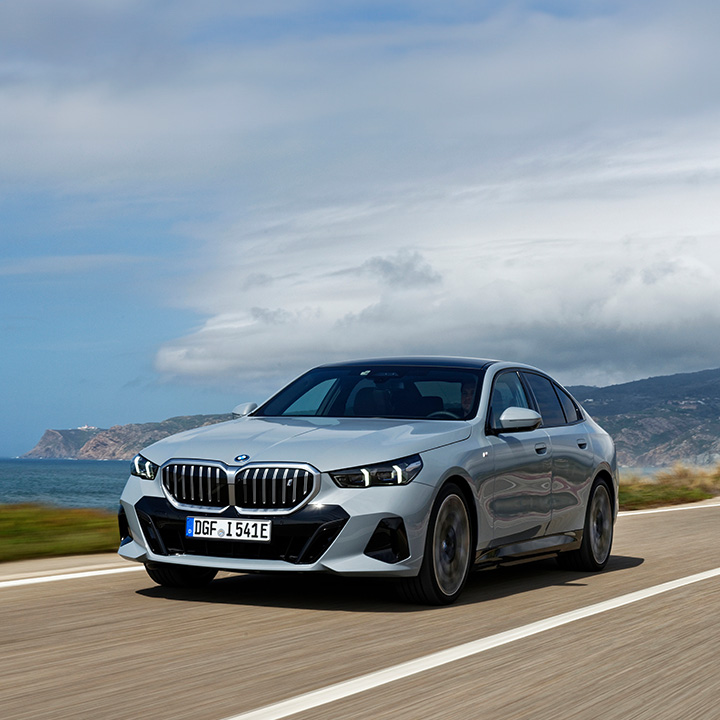
The automotive world has undergone a significant transformation. As we embark on 2026, purchasing a vehicle is no longer merely a choice between gasoline or diesel. With the rapid advancement of electric vehicle technology, the emergence of software-defined vehicles, and shifting market dynamics, buyers must adopt a new approach.
Whether you're in the market for your first electric vehicle or a dependable family SUV, this comprehensive guide provides everything you need to know about buying a car in 2026.
1. Electric, Hydrogen, or Hybrid: Which Option Suits You Best?
By 2026, the charging infrastructure in many regions has matured, but it's not the only viable option.
Next-Generation EVs: Look for Solid-State Battery options entering the high-end market, offering over 500 miles of range and 10-minute charging.
Plug-in Hybrids (PHEVs): Still the ideal choice for those who travel long distances but desire city-driving efficiency.
Hydrogen Fuel Cells: Gaining traction in heavy-duty SUVs and certain regions with dedicated 'Hydrogen Hubs.'
2. Software-Defined Vehicles (SDV)
Modern cars have evolved into 'smartphones on wheels.' In 2026, you're not just purchasing horsepower; you're buying computing power.
Over-the-Air (OTA) Updates: Ensure the manufacturer has a proven track record of improving cars via software after purchase.
Subscription Models: Be cautious of 'Locked Features.' Some brands now charge monthly fees for heated seats or advanced navigation. Always check the fine print to see which features are permanent.
3. The Shift in Depreciation
Historically, cars lost 20% of their value the moment they left the lot. In 2026, the narrative is changing.
EV Battery Health: For used cars, the 'Battery Health Certificate' is now more important than the odometer reading.
Tech Obsolescence: Older tech-heavy cars might depreciate faster if their hardware can’t support the latest autonomous driving software.
4. Financing and Subscription Services
Traditional ownership is being challenged by 'Car Subscriptions.'
Leasing 2.0: All-inclusive monthly fees that cover insurance, maintenance, and the car itself are becoming the standard for urban dwellers.
Interest Rates: Keep an eye on central bank shifts; financing a car in 2026 requires a high credit score to avoid steep interest hikes.
5. Security and Data Privacy
As cars become more connected, they collect more data.
Data Sovereignty: Check what data the car sends back to the manufacturer.
Cybersecurity: Ensure the vehicle has the latest security protocols to prevent remote hacking.
Conclusion
Buying a car in 2026 demands a tech-first mindset. It's about balancing range, software longevity, and the total cost of ownership. Stay informed, conduct thorough research, and always verify technical specs through trusted automotive databases.